
Taste Tradition: A Middle Eastern Culinary Journey

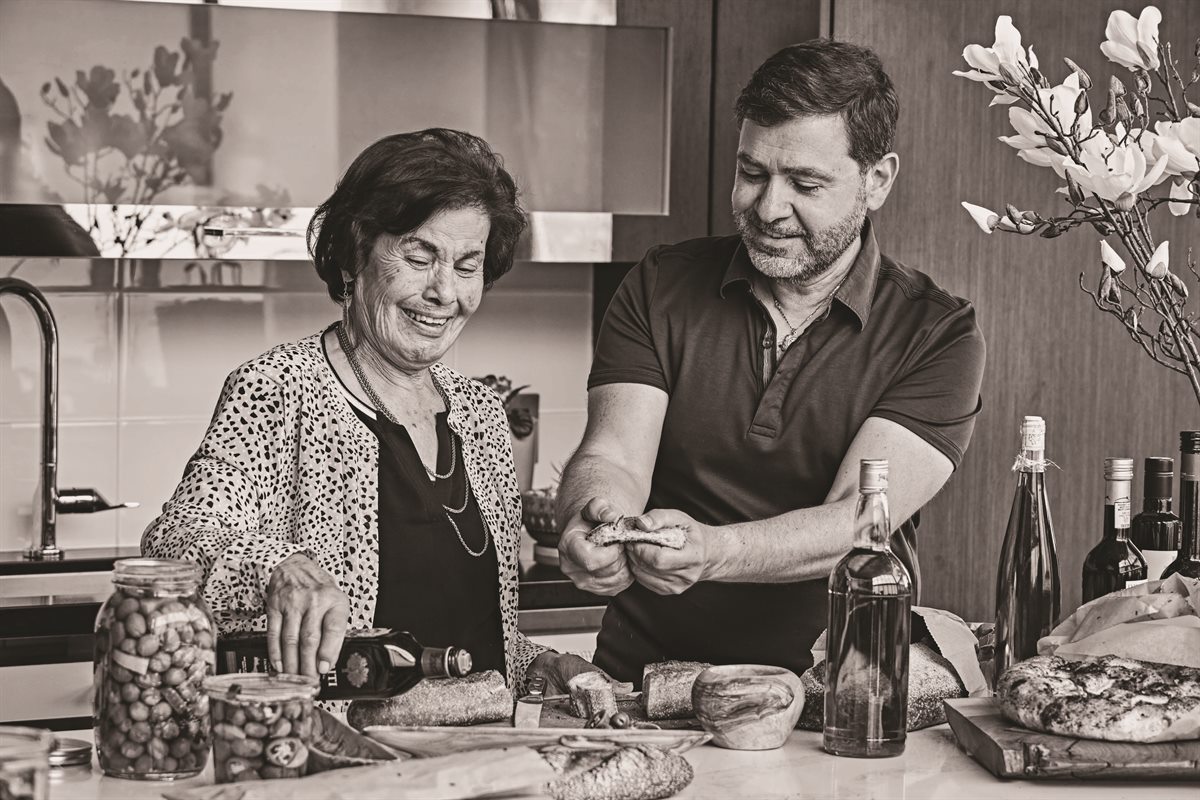
A Mission to Share Authentic Middle Eastern Recipes
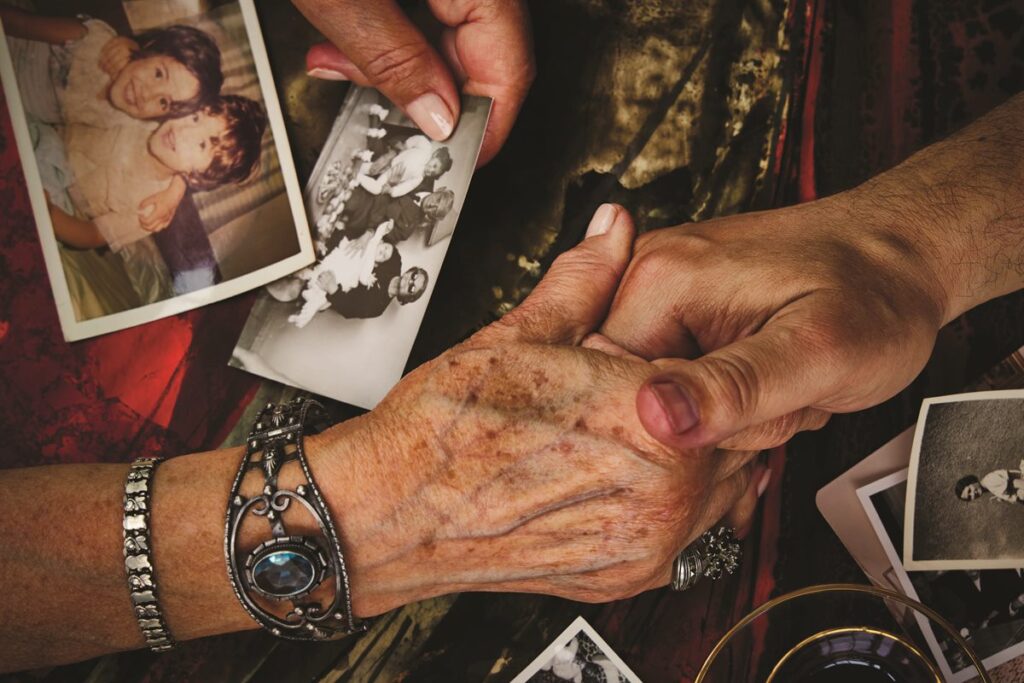
The Story Behind Thuraya: Born from Longing
Thuraya Cookbook: Your Award-Winning Culinary Passport to the Middle East
Awards & Events

 Watch Video

Questions & Answers with the Author
1. What inspired you to write Thuraya?
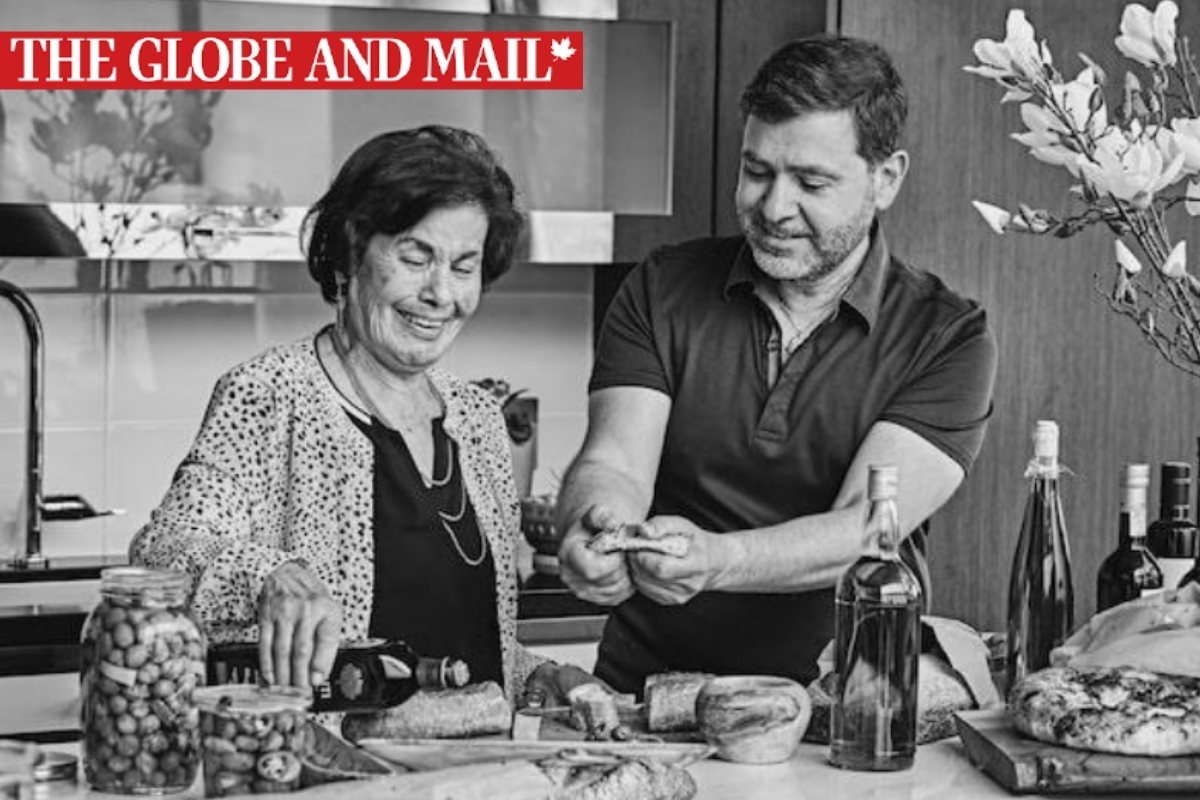
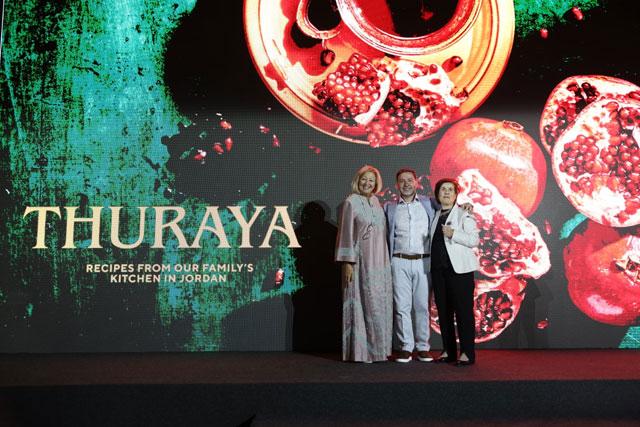
Thuraya is my homage to my roots, my mother, my family, and the culture and community that surrounds Jordanian and Levantine cuisine. Living in the diaspora for over 24 years, I found myself craving the dishes I grew up with, each one carrying stories and memories of family gatherings and my mother’s incredible skill in the kitchen. This book is a culinary diary between mother and son – a love letter to my heritage and family traditions we had growing up in Amman, Jordan.
2. Why did you name the cookbook Thuraya?
I named the book after my mother, Thuraya. It all started with her; she is truly a culinary artist. Her kitchen was, and still is, a magical place, where food was made with love and shared with joy. Watching her inspired me to document and preserve the way my family cooked these recipes. This book reflects her warmth, and the legacy she instilled in me through her cooking.
3. What makes Thuraya different from other cookbooks?
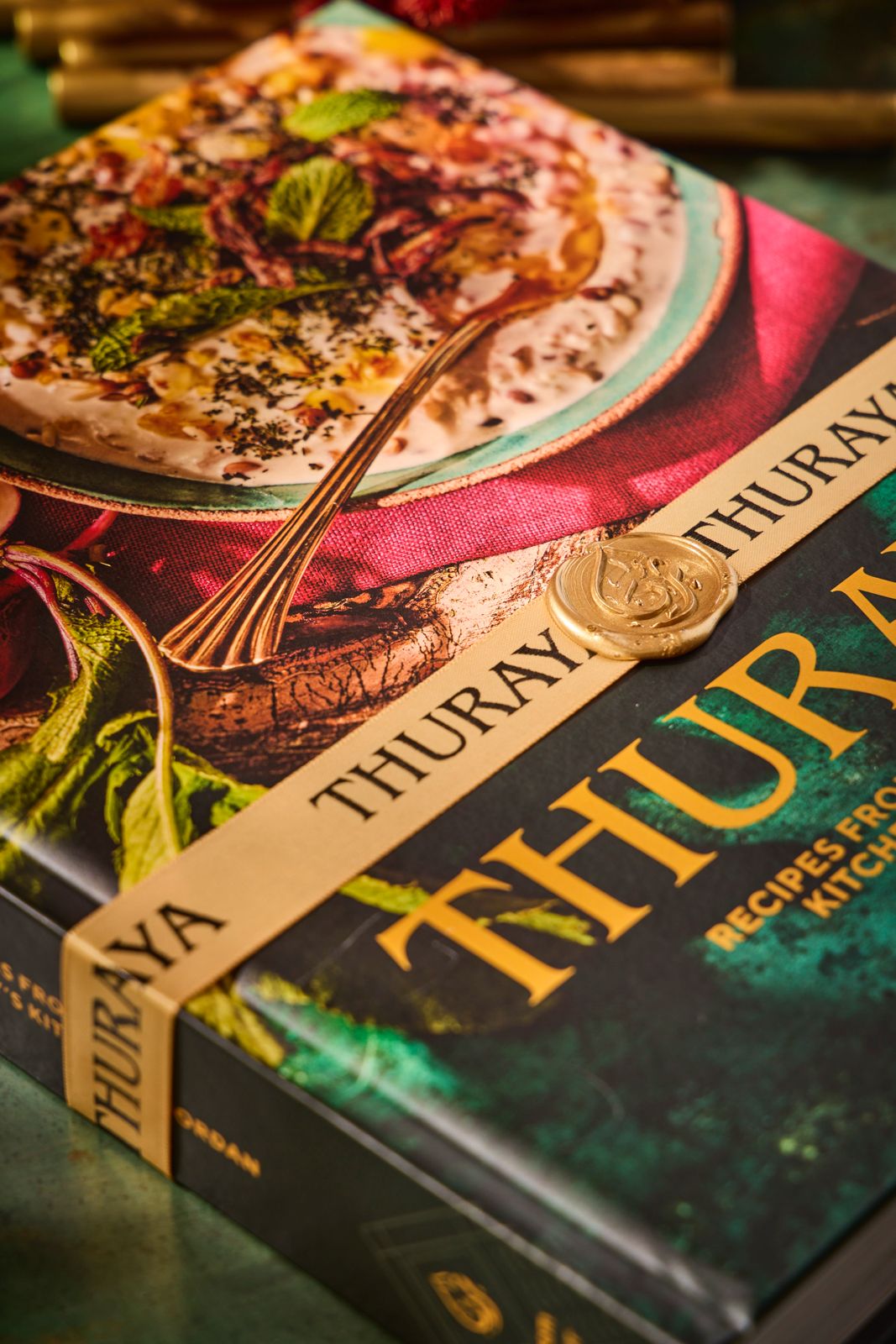
Thuraya wasn’t designed to just be a cookbook. It’s a fusion of personal family stories, stunning photography, and over 120 recipes that celebrate the traditions of Jordan and the Middle East. The goal was to create something more than a guide to cooking – it’s an attempt to preserve Middle Eastern recipes the way my mother cooks them, tell my family story through a food lens, and to be a reference point for those living in diaspora who long for the food from back home. The perfectionist I am, I also wanted this book to be a coffee table book, with stunning visuals, intricate designs and high-quality paper.
4. How has Thuraya been received internationally?
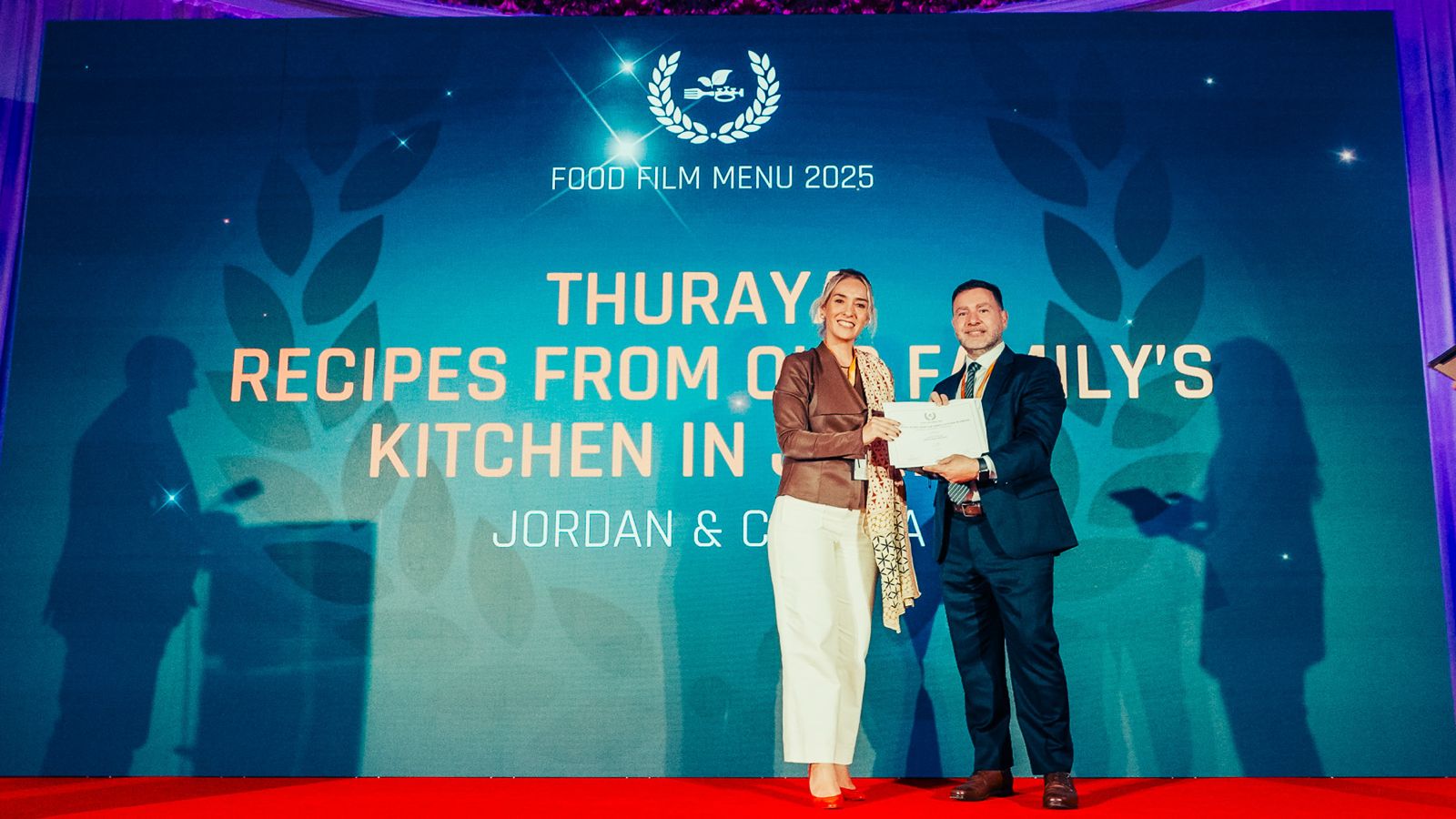
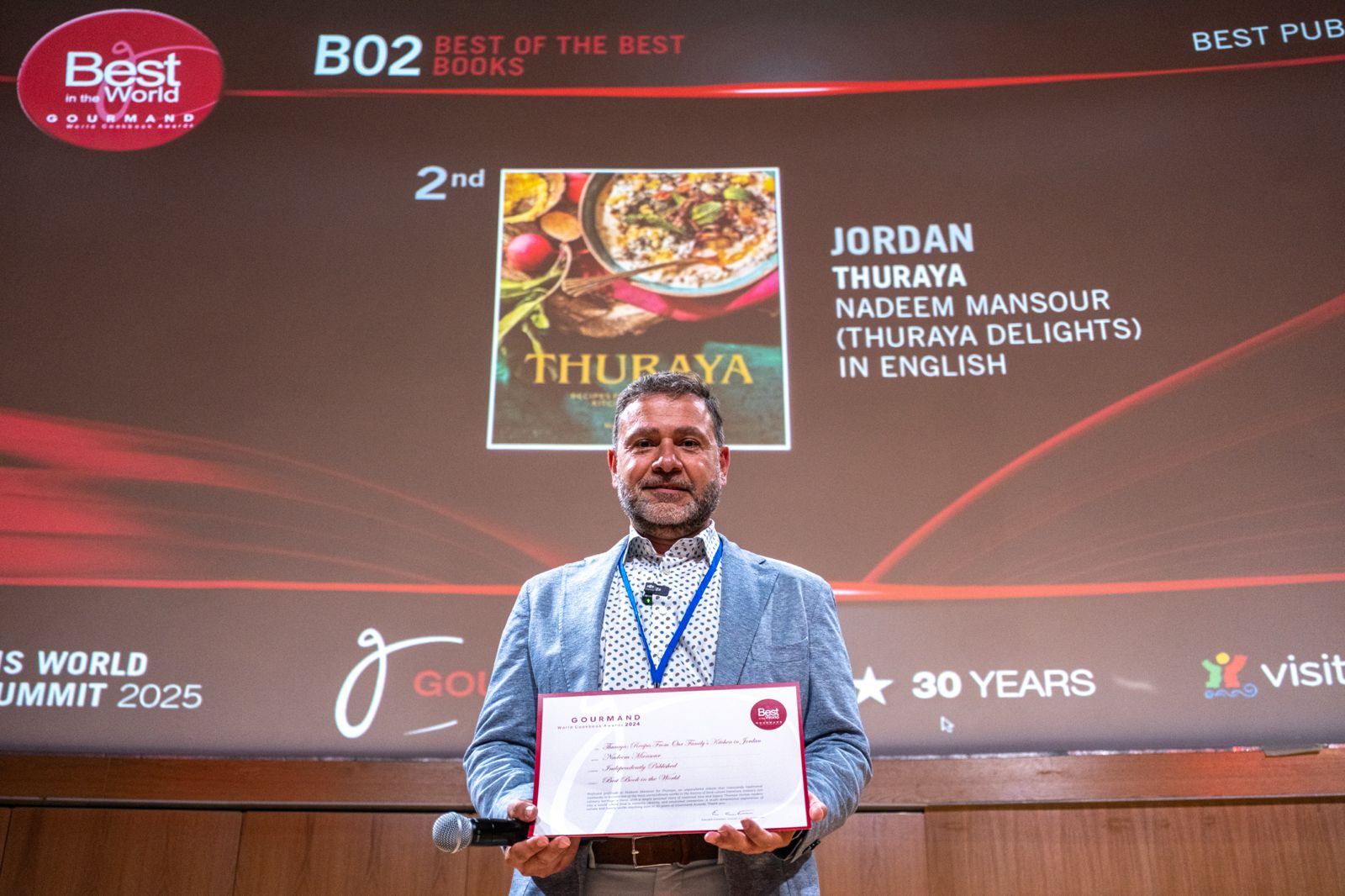
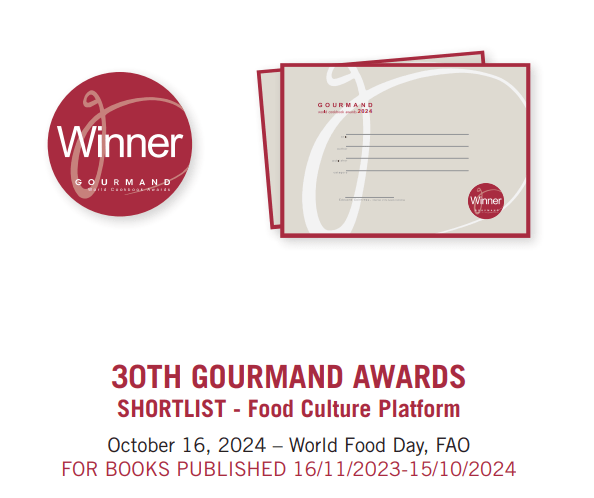
The response has been incredibly humbling. In June 2025, Thuraya was honored with four international awards at the prestigious Gourmand World Cookbook Awards in Lisbon, Portugal. It earned the coveted “Best in the World” logo and was recognized in the following categories:
#1 Best Mediterranean Cookbook in the World
#1 Best Video Presentation in the World
#2 Best Cookbook in the World
#2 Best Family Cookbook in the World
These awards celebrate Thuraya as a unique blend of personal storytelling, cultural heritage, and delicious Levantine cuisine.
5. Who is Thuraya for? Do you need to be a chef to use it?
Thuraya is for everyone, from novice home cooks to seasoned food lovers. Nadeem strongly believes that you don’t have to be a trained chef to create mouth-watering recipes. The recipes are accessible and simple enough to follow, so all you need is an appreciation for great taste, a little curiosity, and for some of the more elaborate recipes, some patience.
6. What book features can I expect to see in Thuraya?
The cookbook has 384 pages containing over 120 recipes. Each recipe has a stunning photo that depicts how the dish is presented, a visual masterpiece that will certainly make you hungry. Each recipe has step-by-step instruction on preparation, visual cues to doneness, including tips for vegan and vegetarian options, where applicable. Recipes include serving suggestions and pairing with other dishes.
I elected to self-publish to have the freedom to tell my story the way I want to tell it. The cookbook is available in hardcover and is printed on premium paper with high quality printing making it a stunning coffee table book. While most of the recipes are easy to prepare, some of the main dishes may be elaborate for the novice cook.
7. Can you tell us a bit more about the author?
Nadeem was born and raised in Amman, Jordan. His mother Thuraya is Jordanian hailing from the city of As-Salt. His father, Michael (pronounced “Michelle”), a Palestinian hailing from Jerusalem, moved to As-Salt after the 1948 conflict. Nadeem has lived and worked in Jordan, Eastern Europe and in Canada. Nadeem learned to cook watching his mother in the kitchen. Over time, he took increased interest in perfecting flavors and paying attention to food presentation.
1. What is Middle Eastern cuisine like?
Middle Eastern flavors are a beautiful balance of warm spices, fresh herbs, and bold, earthy ingredients that create a unique depth in each dish. You’ll taste spices like sumac, za’atar, and cinnamon, paired with fresh ingredients like mint, parsley, and pomegranate. Jameed, freekeh, olive oil, samneh baladi (ghee) and lemon play a big part in the flavor profile. Middle Eastern cuisine emphasizes family-style, communal meals where food is enjoyed together, often in generous portions that encourage sharing and connection.
2. Does Middle Eastern cuisine offer vegan and vegetarian options?
Absolutely! Middle Eastern cuisine is naturally rich in vegan and vegetarian dishes. ‘Mezze’ refers to a spread of small dishes served as appetizers, often shared before the main meal. It often includes flavorful plant-based dishes like hummus, baba ghanoush, tabbouleh, falafel, and stuffed grape leaves, all made with fresh vegetables, legumes, and vibrant herbs. These mezze dishes bring a variety of tastes and textures to the table, making it easy for vegans and vegetarians to enjoy a full and satisfying experience. Mezze isn’t just food – it’s an essential part of the meal that encourages sharing, conversation, and a sense of togetherness.
3. Are all the recipes in the book Jordanian?
No. The recipes come from all over the Middle East. Before borders were drawn in the early 1900’s, the food was common in the Levant region. While it is true that some of the recipes originated in modern day Syria, others in Lebanon, while others in Palestine, Jordan, Iraq, or even Egypt, the food essentials are common, and the food we ate growing up in Jordan is a wide selection of dishes from the region.
This book is not about food history, it is a personal diary between my mother and I and the food we ate in her kitchen while growing up in Amman, Jordan. Thuraya is the way we cook these Middle Eastern delightful dishes at home, the way we like it.
4. Are the ingredients in Thuraya easy to find?
Most of the ingredients featured in Thuraya can be found in your local supermarket —think olive oil, lemons, yogurt, garlic, tomatoes, common spices (all-spice, cinnamon, cardamom, coriander, nutmeg, etc.), and a variety of fresh herbs like parsley, cilantro and mint. Staples like rice, lentils, and chickpeas are also widely available.
For authentic Levantine flavors, you might need to visit a specialty Middle Eastern store or an online retailer. Thuraya features a section in the book titled ‘key ingredients’ that outlines items to include in your pantry. Ingredients like sumac, za’atar, pomegranate molasses, tahini, dried limes, fava beans, jameed, freekeh, bulghur and orange blossom water are key to recreating the magic of Middle Eastern dishes. Once stocked, these items last a while and are incredibly versatile, so it’s worth the trip!